isola del giglio
un paradiso nel mediterraneo
Dal cristallino mare color smeraldo alle scogliere selvagge, l’Isola del Giglio ti incanterà con la sua naturale bellezza senza tempo.
cosa vedere
Esplora le meraviglie naturali dell'Isola del Giglio: scopri gli imperdibili consigli per ogni visitatori.
cosa fare
Scegli la tua prossima destinazione per relax, avventura e scoperta della natura incontaminata
come arrivare
Guida dettagliata su come raggiungere l'Isola del Giglio: tutti i collegamenti dalla terra ferma.
info utili
Il tuo vademecum per esplorare l'isola: raccolta di informazioni essenziali per una vacanza indimenticabile.
Alla Scoperta della Magia dell'Isola del Giglio
L’Isola del Giglio, gioiello dell’Arcipelago Toscano, sorge nel Mar Tirreno di fronte al Monte Argentario. Con un territorio prevalentemente selvaggio e collinare, offre panorami mozzafiato e un mare cristallino, rendendola una delle mete turistiche più affascinanti della Toscana.
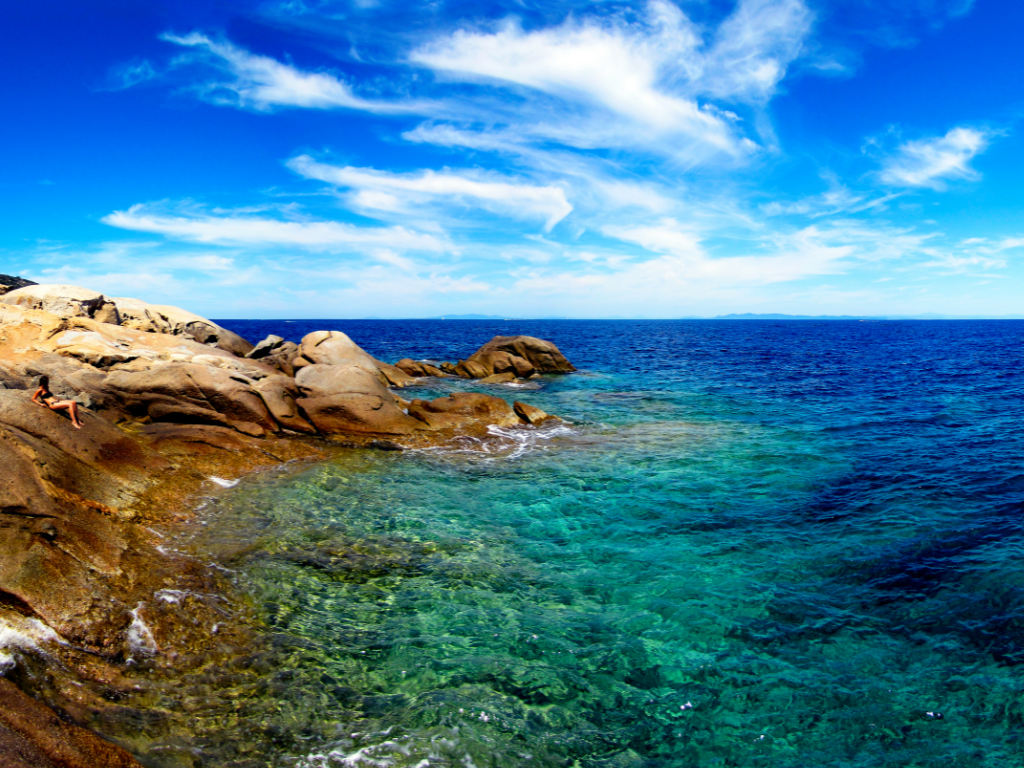
Espora le meraviglie di questa perla dell’Argentario
VISITA L'ISOLA del giglio IN UN GIORNO
Visitare l’Isola del Giglio in un giorno è un’esperienza da non perdere per molte ragioni. In primo luogo, l’isola è facilmente raggiungibile in traghetto dal vicino Porto Santo Stefano, quindi può essere visitata anche in un breve viaggio di un giorno. Inoltre, l’abbondanza di paesaggi naturali incontaminati dell’isola offre l’opportunità di godere della tranquillità e della bellezza della natura in un ambiente unico. Infine, l’Isola del Giglio ha una ricca storia culturale e culinaria da scoprire, con molti ristoranti e negozi locali che offrono piatti tipici delle tradizioni toscane.
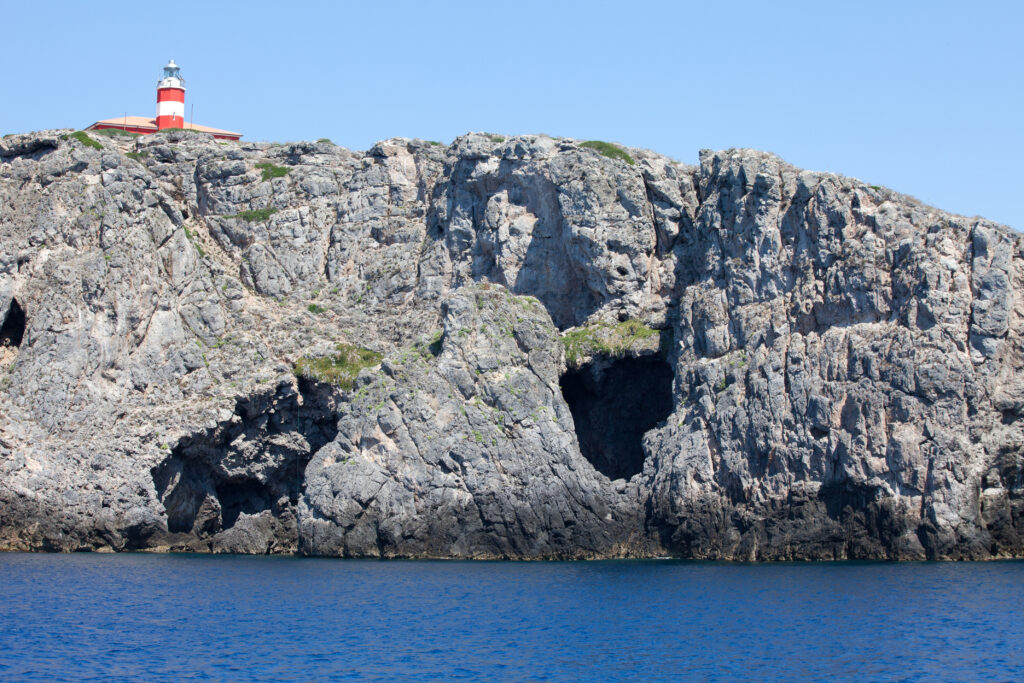
- Partenza da Porto Santo Stefano
- ISOLA DI GIANNUTRI
- ISOLA DEL GIGLIO
- Durata 9 h
- Escursione in barca con Mare Giglio
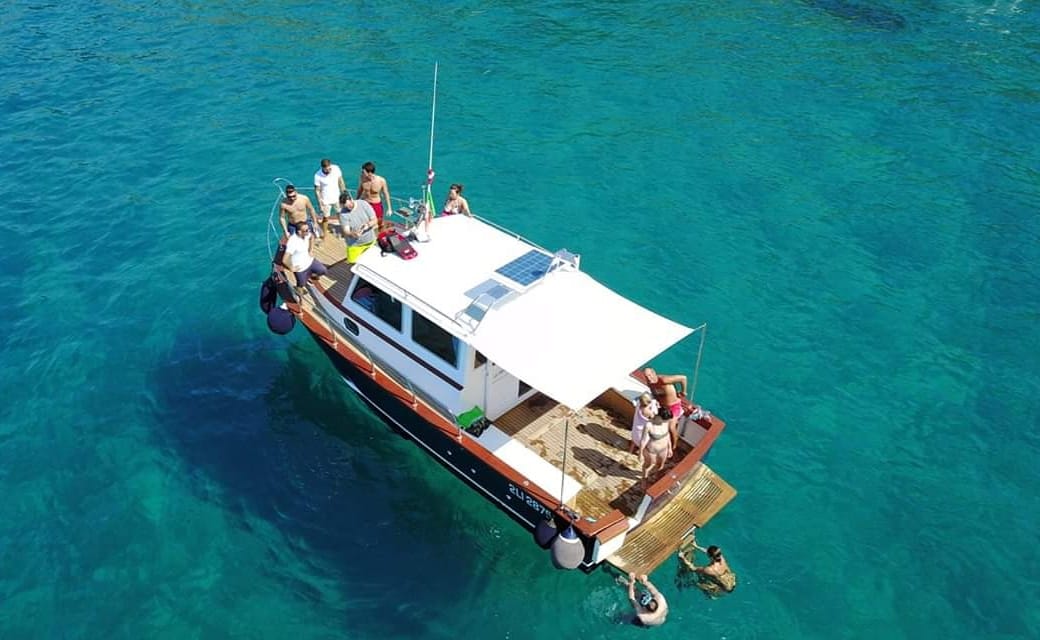
LA FAVORITA sul mare
- Partenza da Porto Santo Stefano
- ISOLA DEL GIGLIO
- Durata 8 h
- Escursione in barca con max. 12 persone
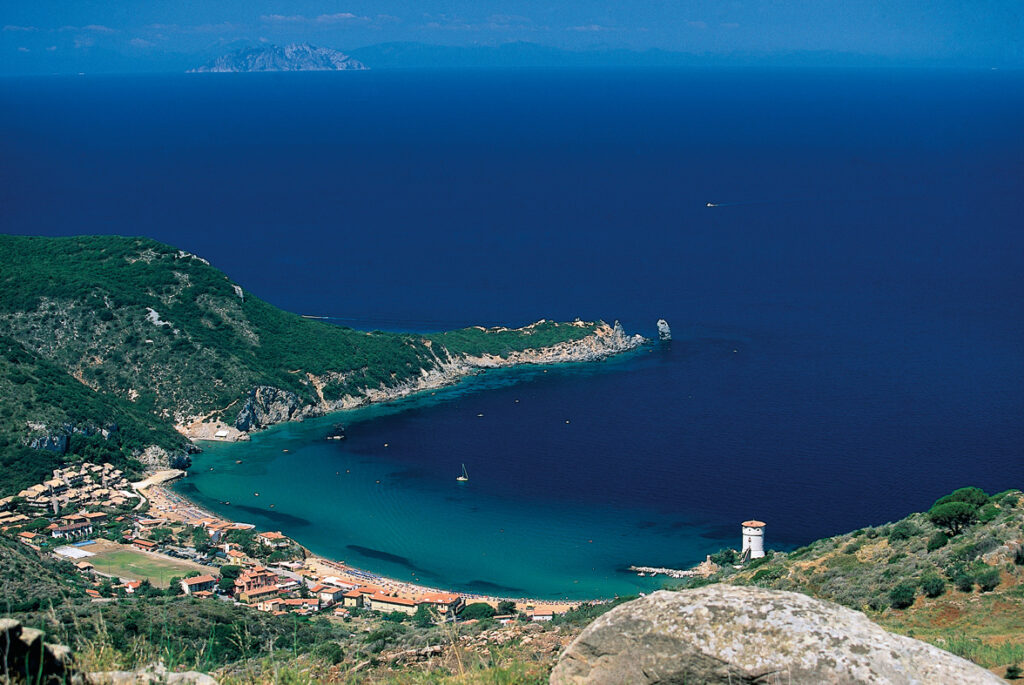
- Partenza da Porto Santo Stefano
- ISOLA DEL GIGLIO
- Durata 10 h
- Escursione in barca con Mare Giglio
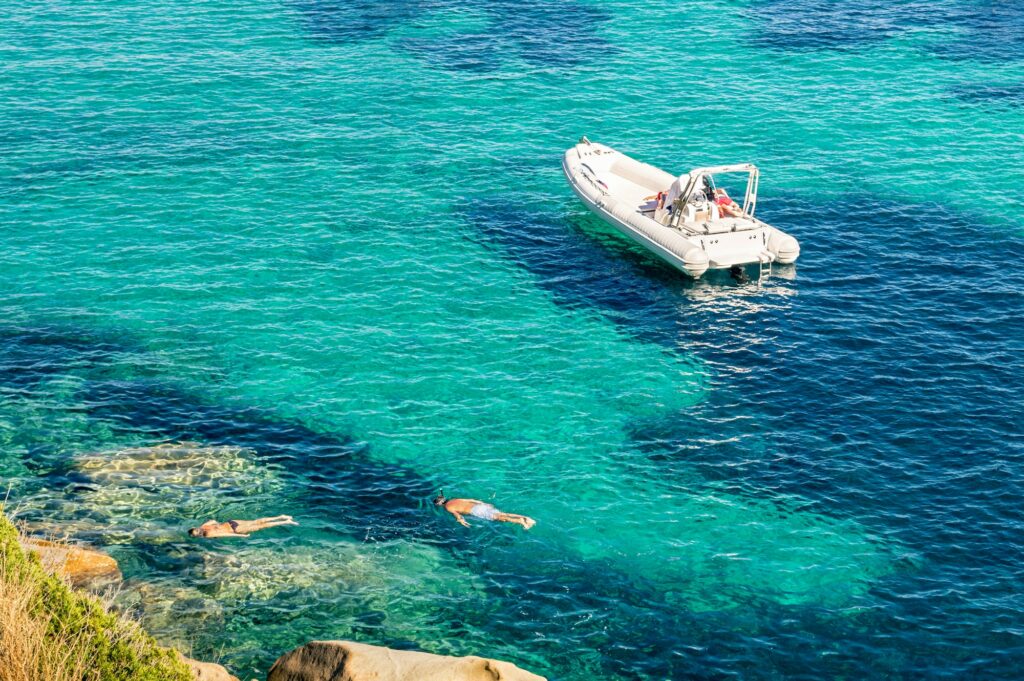
- Partenza da Giglio Porto
- ISOLA DEL GIGLIO
- Durata 5 h
- Escursione in gommone con Mare Giglio
I borghi dell'isola del giglio
L’isola del Giglio è un’incantevole destinazione turistica situata al largo delle coste della Maremma Toscana. Tra i suoi tesori, ci sono tre borghi storici: Giglio Castello, Giglio Porto e Campese. Visitare i tre borghi dell’isola del Giglio è un’esperienza unica e affascinante, grazie alla loro bellezza naturalistica e alla loro ricchezza storica e culturale.
Giglio Porto è il principale punto di arrivo e partenza sull’Isola del Giglio. Questo pittoresco porticciolo si distingue per le sue case colorate che si riflettono nelle acque cristalline del mare, creando uno scenario da cartolina. Adagiato in un’insenatura racchiusa da due moli, Giglio Porto è circondato da un anfiteatro collinare terrazzato, arricchito da vigneti. Oltre ad essere un vivace centro di attività marittime, con traghetti e barche che vanno e vengono, il porto offre una varietà di ristoranti, caffè e negozi, rendendolo il luogo ideale per una passeggiata rilassante o per gustare le delizie locali.
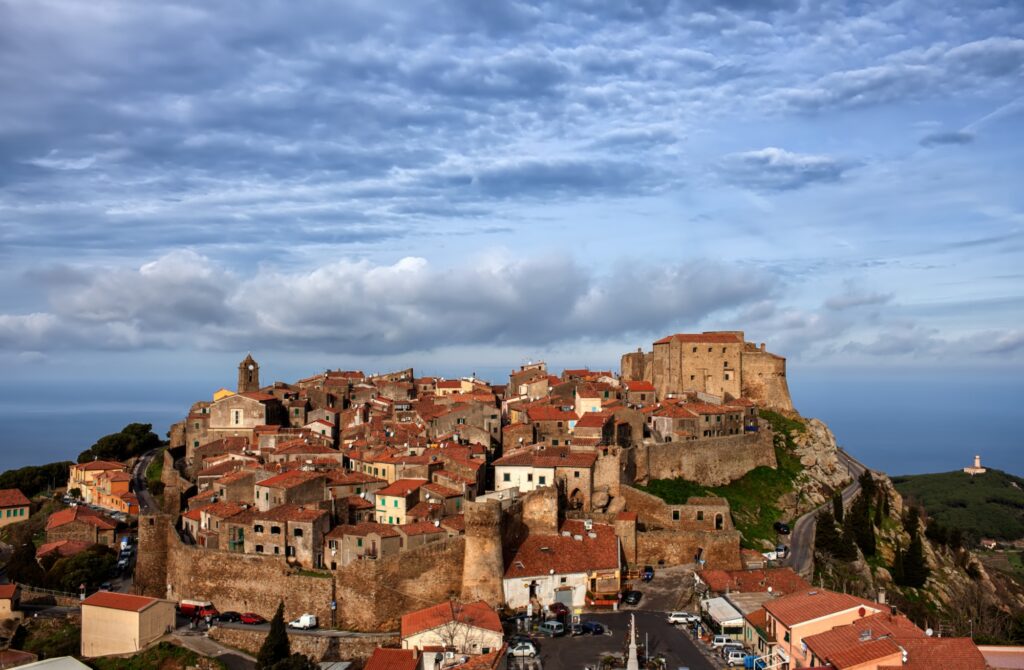
Giglio Castello è uno dei borghi più affascinanti e storici dell’Isola del Giglio. Caratterizzato da antiche mura medievali munite di torri e da un dedalo di vicoli stretti sormontati da archi, il borgo conserva intatto il suo fascino d’antan. Le vecchie case in pietra, addossate le une alle altre, e le ripide scalinate scavate nella roccia, raccontano storie di tempi passati. Dominando il borgo si trova la Rocca Aldobrandesca, testimone silente della ricca storia dell’isola. La sua bellezza e autenticità hanno valso a Giglio Castello l’inclusione nell’elenco dei “Borghi più belli d’Italia”, rendendolo una meta imperdibile per chi visita l’Arcipelago Toscano.
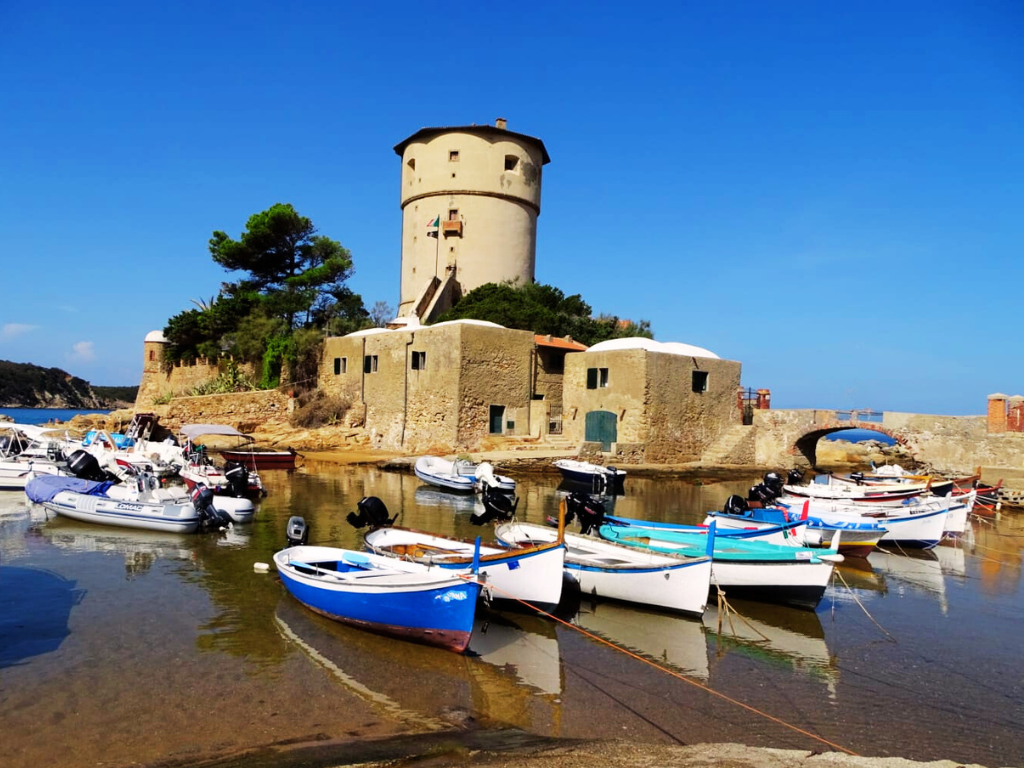
Giglio Campese è una delle località più suggestive dell’Isola del Giglio. Situata sulla costa occidentale dell’isola, Campese è incastonata in una baia protetta, orlata da un’ampia spiaggia dorata. Il panorama è impreziosito dalla presenza di un’imponente torre medievale, la Torre del Campese, che si erge solitaria su uno scoglio all’ingresso della baia, testimone del passato difensivo dell’isola contro le incursioni piratesche. La località, principalmente vacanziera, offre una varietà di attività per i visitatori, dai bagni nelle acque cristalline, alle passeggiate al tramonto lungo la spiaggia. Con i suoi ristoranti, bar e attività ricreative, Giglio Campese rappresenta un perfetto connubio tra relax, storia e natura.
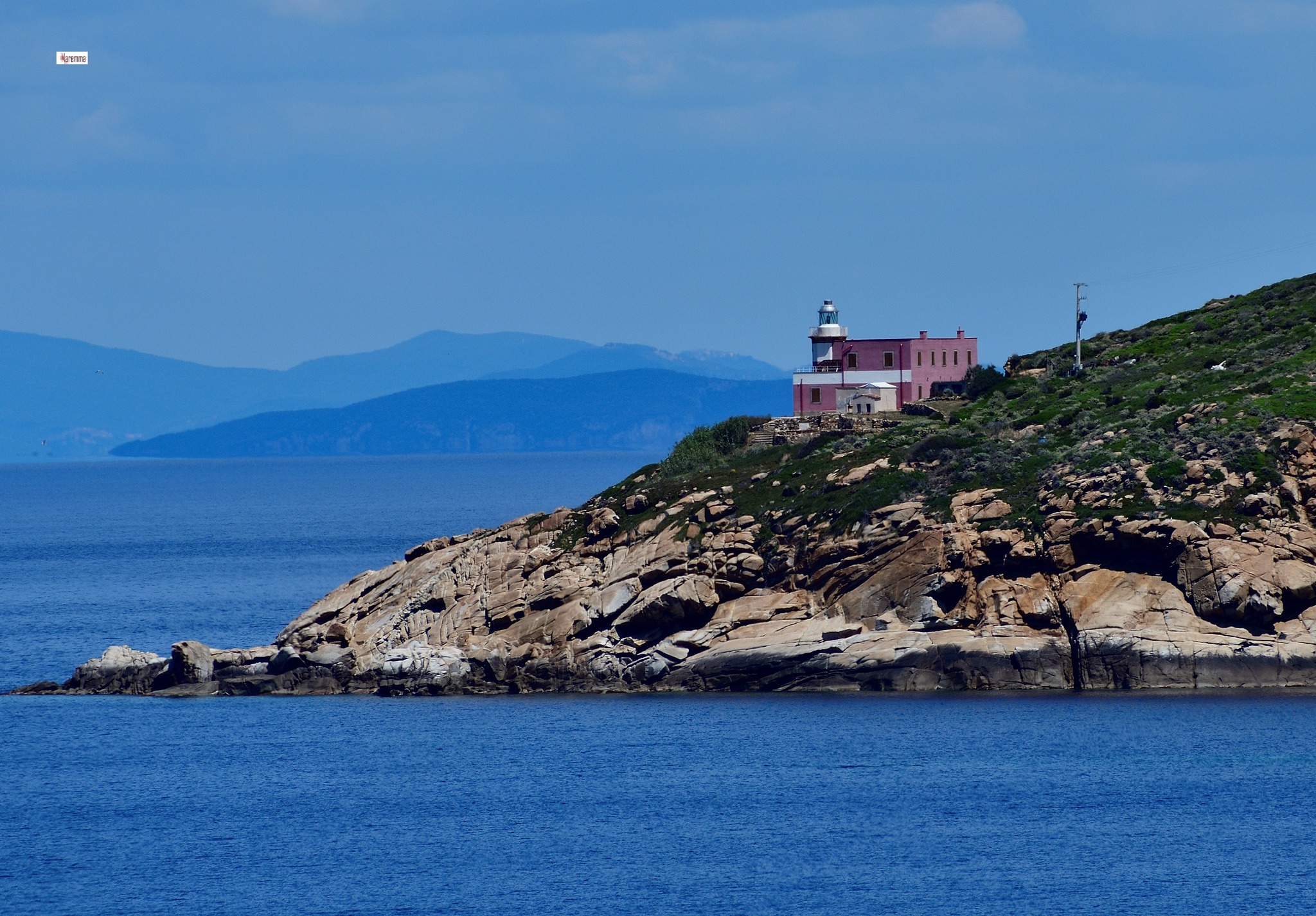
rendi la tua vacanza indimenticabile e scegli l'isola del giglio
individua l'alloggio che è più adatto a te e prenota subito
LE SPIAGGE PIù BELLE DELL'ISOLA DEL GIGLIO
Vivamus laoreet, lorem eu facilisis posuere, orci erat accumsan ligula, sed malesuada lorem justo ut odio. Vivamus eget lacinia quam, vitae euismod massa. Donec eros ex, rutrum vel magna et, pulvinar lacinia ante.
Spiaggia delle Cannelle
Situata a breve distanza da Giglio Porto, la Spiaggia delle Cannelle è famosa per la sua sabbia fine e chiara e per le sue acque trasparenti. Circondata da scogliere e ricca di vegetazione mediterranea, offre un panorama incantevole e rappresenta un luogo ideale per chi cerca relax e tranquillità.
Spiaggia delle Caldane
Piccola e intima, la Spiaggia delle Caldane è una caletta di sabbia dorata, protetta da scogliere e circondata da una rigogliosa macchia mediterranea. L’acqua cristallina e i fondali poco profondi la rendono perfetta per le famiglie con bambini e per gli amanti dello snorkeling.
Spiaggia dell'arenella
Ubicata nella parte orientale dell’isola, la Spiaggia dell’Arenella è caratterizzata da una sabbia fine e da acque turchesi. La sua posizione riparata la rende ideale per le giornate di vento, mentre la presenza di bar e ristoranti nelle vicinanze la rende comoda per trascorrere una giornata intera al mare.
Spiaggia di Campese
La più grande dell’Isola del Giglio, la Spiaggia di Campese si estende in una splendida baia circondata da colline e dominata da una storica torre di avvistamento. La sua sabbia dorata e le acque limpide la rendono popolare sia tra i turisti che tra gli abitanti locali. La presenza di stabilimenti balneari e attività acquatiche la rende vivace e adatta a chi cerca divertimento e sport.
Esplorando le meraviglie dell'Isola del Giglio: attività da non perderE
L’isola del Giglio è una destinazione ideale per chi è alla ricerca di una vacanza all’insegna del relax e della bellezza naturale. Tra le attività più belle da fare c’è sicuramente la visita alle bellissime spiagge dall’acqua cristallina, come la spiaggia delle Cannelle o delle Caldane. Altro luogo imperdibile è la Fortezza Medicea, un’antica fortezza situata sul punto più alto dell’isola e dalla quale si può ammirare uno splendido panorama. Non mancano poi escursioni in barca per scoprire le calette più nascoste ed esplorare il mare circostante. Per gli amanti del trekking, c’è la possibilità di percorrere vari sentieri panoramici che offrono viste mozzafiato sulla costa e sull’entroterra dell’isola. Infine, la cucina locale offre deliziosi piatti di pesce, come la zuppa di ceci con le cozze o la pasta con le alici
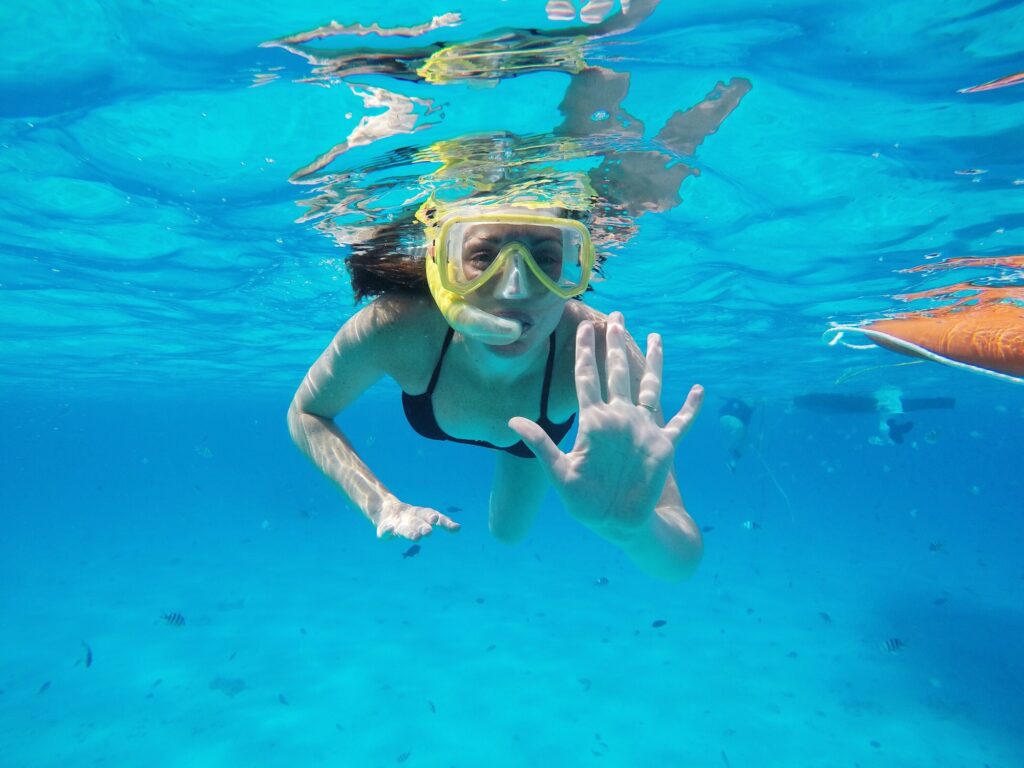
SNORKELING & DIVING
- Riserva naturale
- Acque cristalline
- Battesimo del mare
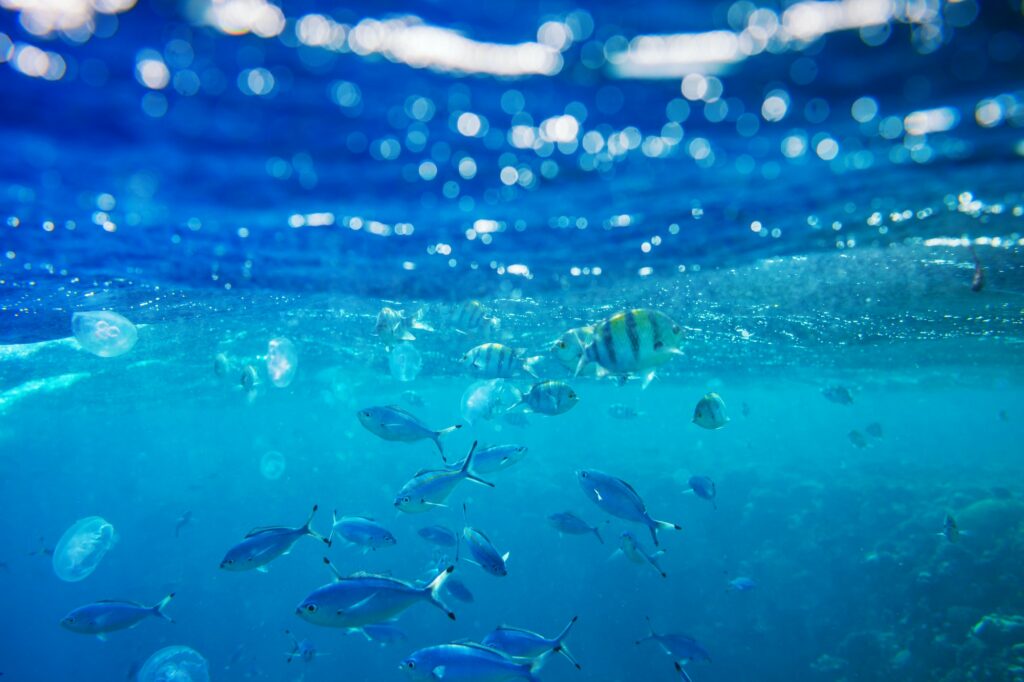
PESCA SPORTIVA
- Regolamentazione
- Numerosi servizi
- Adatto a tutte le età
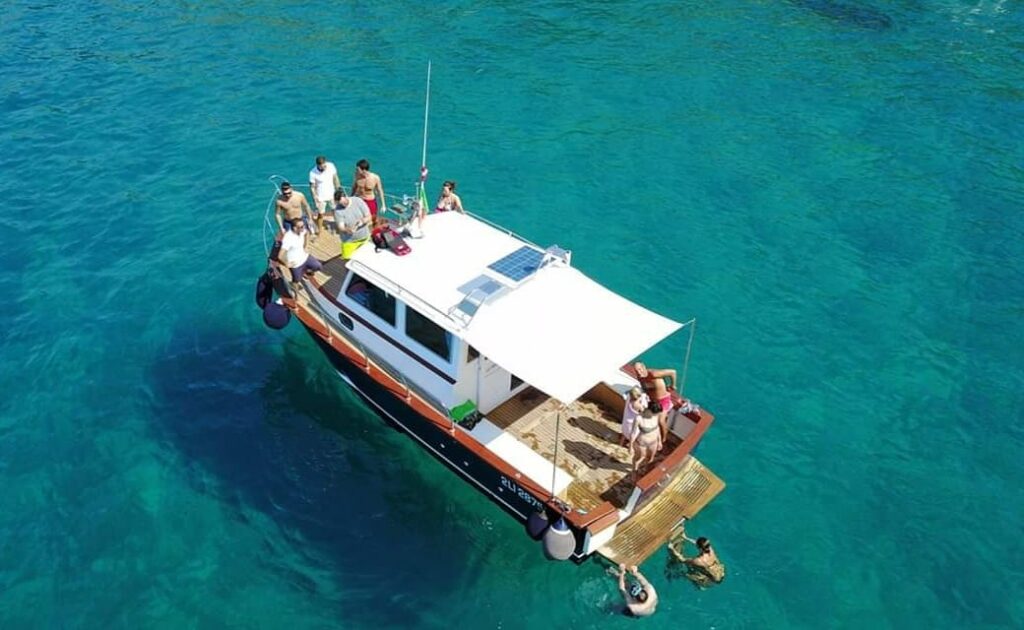
ESCURSIONI IN BARCA
- Noleggio Gommoni
- Noleggio barche con skipper
- Minicrociera

TREKKING
- Rete escrusionistica
- Adatta a tutte le età
- Punti panoramici

DEGUSTAZIONI
- Proin egestas ornare augue et facilisis
- Phasellus scelerisque porttitor
- Donec quis elit massa

EVENTI
- Tradizioni popolari
- Feste religiose
- Cantine aperte
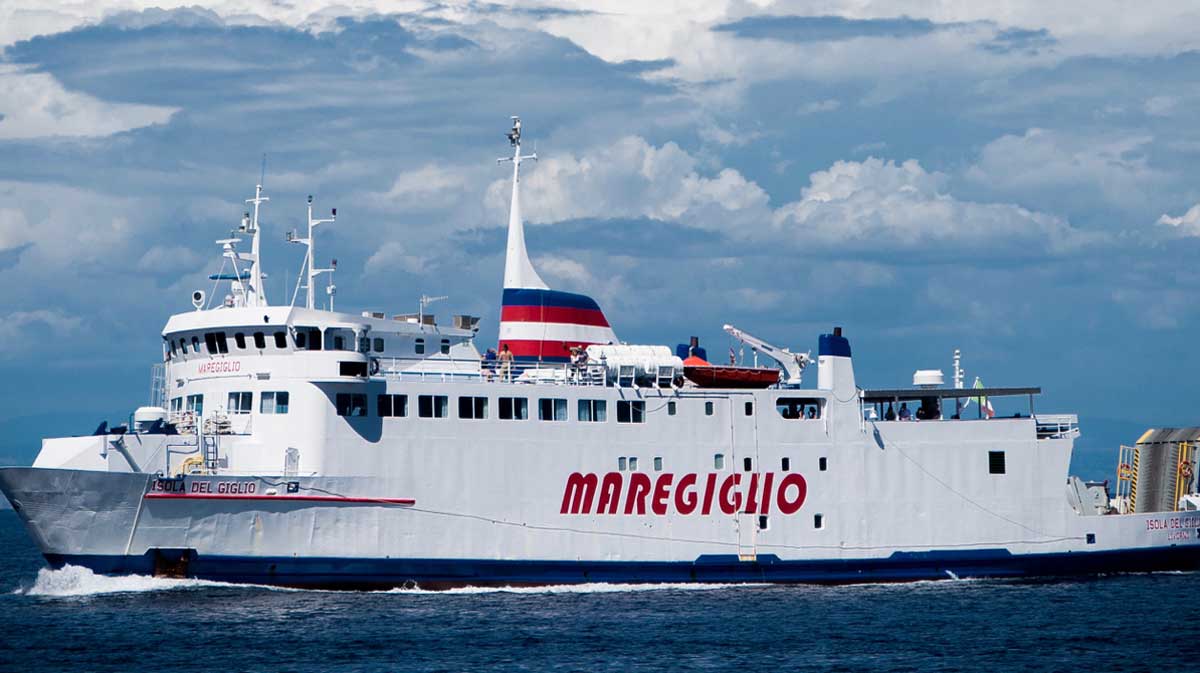
Traghetti per l'isola del giglio
Per raggiungere l’Isola del Giglio, è necessario prendere un traghetto da Porto Santo Stefano, situato sul Monte Argentario. La traversata dura circa un’ora. Si consiglia di prenotare in anticipo, soprattutto durante la stagione turistica alta.
PIANIFICA LE TUE VACANZE suLL'ISOLA DEL GIGLIO
Per pianificare al meglio le vacanze all’Isola del Giglio è importante prendere in considerazione diversi aspetti. Innanzitutto, valutare la stagione migliore per visitare l’isola, tenendo conto delle temperature e dell’affluenza turistica. Poi, decidere quale zona dell’isola visitare e in quale alloggiare, scegliendo tra le varie opzioni di hotel, bed & breakfast o case vacanza. Inoltre, è possibile organizzare escursioni in mare o visite guidate per conoscere al meglio il territorio. Infine, non bisogna dimenticare di prenotare tutto in anticipo e di tenere sempre sotto controllo i costi, per evitare spiacevoli sorprese. Con una buona pianificazione, le vacanze all’Isola del Giglio saranno sicuramente indimenticabili!
Sull’Isola del Giglio è possibile muoversi a piedi, in bicicletta o con i mezzi pubblici. Ci sono autobus che collegano i principali centri dell’isola, come Giglio Porto, Giglio Castello e Giglio Campese. Inoltre, durante la stagione estiva, sono disponibili servizi di taxi e noleggio scooter. Per gli amanti delle escursioni, ci sono numerosi sentieri che offrono panorami mozzafiato.
L’Isola del Giglio offre una varietà di ristoranti, trattorie e pizzerie dove è possibile gustare piatti tipici della cucina toscana e specialità locali a base di pesce. Molti ristoranti si trovano nei pressi del porto e nelle principali località turistiche. Non mancano anche enoteche e bar dove degustare vini locali e prodotti tipici.
Il periodo migliore per visitare l’Isola del Giglio è la primavera e l’inizio dell’autunno, quando il clima è mite e l’isola non è troppo affollata. L’estate è la stagione più popolare, ideale per chi vuole godersi il mare e le spiagge, ma è anche il periodo con il maggior numero di turisti.
L’Isola del Giglio gode di un clima mediterraneo, con inverni miti ed estati calde e soleggiate. Le piogge sono concentrate principalmente in autunno e inverno. La brezza marina rende le temperature estive piacevoli, anche nei giorni più caldi.
La Costa Concordia è affondata vicino all’Isola del Giglio, precisamente a nord dell’isola, vicino a Punta Gabbianara, il 13 gennaio 2012